
Wellbeing and personal development are hot topics and have been for a while. So much so that it’s not entirely surprising that you might be sick to death of hearing about them, not to mention put off by the cultish behaviour of some of the more ‘enthusiastic’ people involved. It also doesn’t help that certain practices seem to have tight associations with certain types of people, activities, and socio-economic groups making it difficult, if not impossible to see how these things can relate to you if you don’t see yourself reflected.
Believe me, I understand. I am not one of those perfectly shaped white women on Instagram who wakes up – smiling and perfectly made up no less – and jumps willingly into a morning routine of meditation, green juice, journalling and an hour at the gym. I wonder how many of the people posting these videos actually are? I am however, an overweight black albino woman who wakes up every weekday morning slightly pissed off at the nonsense I know awaits me, trying to figure out what that dream was about before jumping in the shower, then going for a walk around the block (sometimes!). I might do some yoga-esque movements to make sure my body doesn’t completely give up on me, shovel down some green tea (which I have forced myself to like over the past 20 years) before realising I’ve spent about 20 minutes staring into space and it’s now time for me to log in and pretend to be a human being at work for the day.
That said,I would be remiss as a coach if I didn’t explore with you how you can use your creativity, flexibility and most importantly, knowledge of self to make personal development and wellbeing practices work in a way that makes sense and is beneficial to you. I mean, sure, I don’t meditate every morning, but I do meditate and engage with deep breathing exercises during the workday – especially when someone or something gets on my last nerve! And while I refuse to drink green juice (tried it, wasn’t for me!) I do make sure I drink a sensible amount of water each day to keep hydrated, take regular screen breaks, and keep grapes and nuts around for the days when I’m in snack attack mode because custard creams are the best, but nuts and grapes are boring healthier.
I basically ‘Frank Sinatra’ my wellbeing and personal development.
(I do it my way!)
Personal development.
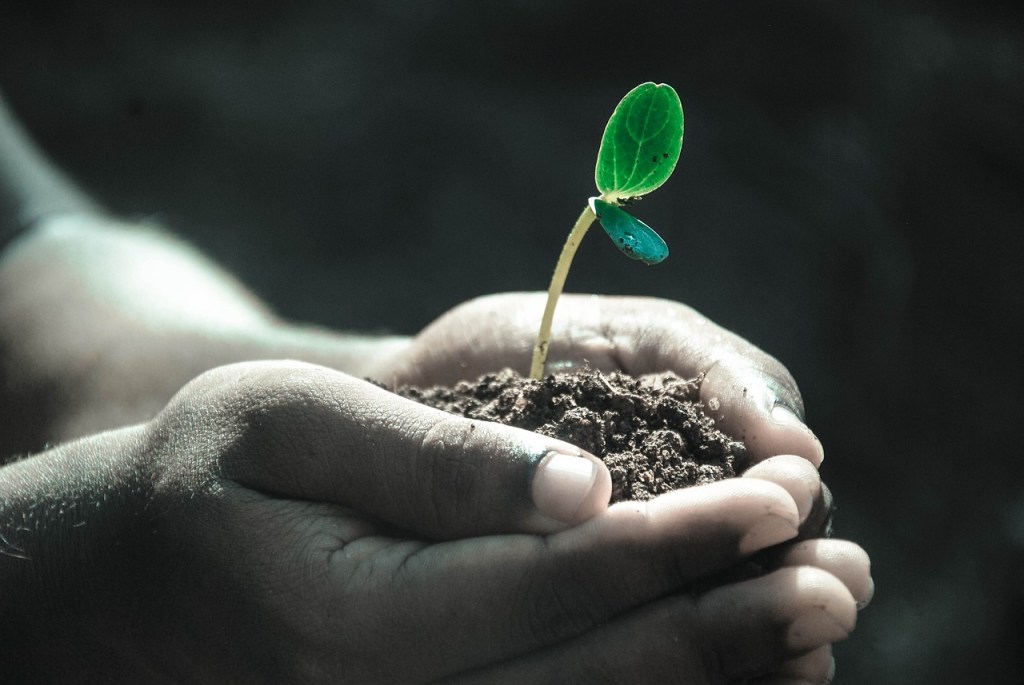
Let’s start here. You might be sick of seeing it everywhere, but have you given any thought as to what personal development really means?
You may get annoyed when I tell you that personal development means different things to different people, kind of like exercising. Exercise is important for maintaining good overall health, however, people exercise for all kinds of reasons and at different levels of intensity to achieve different health and fitness goals.
It’s the same with personal development. Generally, personal development is about working towards being a better version of yourself. This ‘better’ version could be managing your time more effectively, upskilling, career advancement, developing your talents, being more confident, more self-aware, more boundaried, a better friend, family member or partner, less judgemental, more resilient etc. Improvements in these areas can benefit your relationship with yourself and others, your career, your overall wellbeing, and your ability to cope with the challenges life likes to throw at us.
Because personal development is – well, personal, you can adapt it to whatever it is you want and need to work on at any given time. And if you’re not sure how to start then perhaps the following questions might help:
- What areas of my life am I unhappy with or finding challenging at the moment?
- What are the things in this/these areas that are outside of my control?
- Having removed all the things that I cannot control, what are the things that I can control to improve/change the situation?
- Am I equipped to do these things right away, or do I need some help/guidance/resources?
- What help, guidance and/or resources do I need and how can I get them?
- How much time can I realistically devote to this? (Much like exercising, little and often will always be better than nothing at all!)
The other thing about the ‘personal’ in personal development is that for the process to work, you can – and should – be 100% honest with yourself about yourself. You don’t have to share all or any of this information with anyone else if you choose not to, but being genuinely honest about who you really are as opposed to how you would like others to see you helps you to understand your current motivations, strengths, areas of improvement, blockages, values and your preferred tools and methods to achieving your goals. It can be hard to admit certain things about ourselves – especially unflattering things – but it’s a necessary part of the process and one that is made easier knowing that you have the space and privacy to explore these parts of yourself.
Journalling

Where there is talk of ‘healing’, ‘growing’, ‘personal development’ etc, the topic of journalling rears its annoying head. I know because I’ve been one of the annoying people who has suggested it to coachees when I thought it would be helpful. D’you know what else? All of them – without exception – were initially like ‘nah, I’m good!’
Why? Well, from their perspective:
- ‘I don’t have the time’
- ‘I’m not a writer’
- ‘I’m not disciplined enough to commit to daily entries’
All valid reasons. However, let’s apply our creativity here. Who said you have to journal every day? Who said you have to write? And who said it has to take ages?
David Sedaris is one of my favourite writers, but I can’t do what he does. From a very young age, he has kept diaries and written in them daily which is amazingly admirable not to mention hilarious and entertaining for us as readers. However, I am not him, and knowing myself as well as I do, I know that not only am I completely void of the discipline required to do this, but honestly, I don’t have something to write about EVERY DAY. My life just isn’t that interesting!. So, I write when I feel the need to, and so can you. If that’s once a week or once every few weeks, that’s fine. The important thing is that you’re working things out and journalling – however often – can help. You don’t even have to call it ‘journalling’ if that helps since this implies a daily practice. Find a name that represents how you’ll use it or what you want to gain from it. I refer to mine affectionally as the ‘Pissed Pages’ because I tend to only write in it when I’m really pissed off about something and I need a space to work through it.
As for the actual writing part, no one is requesting an entire dissertation. If you’re too physically or emotionally tired to write in full sentences then try bullet points. Or scrawl random words that describe how you’re feeling on the page. Stickers – they can be fun if you have them, or drawings or doodles. It’s your journal, you’re the only one reading it so as long as what you ‘write’ makes sense to you that’s all that matters.
Don’t want to write anything at all? Cool. You can record your thoughts. Most people have Smartphones with Voice Memos or the Android equivalent so just record yourself! I would suggest passwording and/or encrypting these though for privacy and security reasons.
The point is to take the idea and make it work for you.
Coaching

Ha! Yeah.
First, a definition:
There are different types of coaching but I’m focusing on personal coaching. The Association for Coaching defines personal coaching as:
“A collaborative solution-focussed, results orientated and systematic process in which the coach facilitates the enhancement of work performance, life experience, self-directed learning and personal growth of the coachee.”
So, contrary to what some people might have you believe, coaches cannot ‘fix your life’ but we can support you in doing the work necessary to make the changes needed for you to get to where you want /need to be.
I know coaching can feel far removed from the ordinary person given its association with either the corporate world where the focus is on coaching as a management/leadership tool; wealthy people who have the time and money to pontificate about things, or grimy grifters masquerading as coaches and ruining people’s lives but, in reality, coaching is so much more accessible and, if practiced by the right people, more helpful in everyday life than many people realise.
Coaching and its techniques are used every day in ways you’re probably not even aware of. If you have a (good) manager they probably incorporate coaching into their leadership style and have used it to help you figure things out when you’ve encountered a problem. If you or someone you know is experiencing or has experienced issues with addiction, you may be aware that sponsors use coaching techniques to support the people they sponsor. Some healthcare professionals also incorporate coaching when supporting their patients.
Despite this, I think coaching has a marketing problem which causes some people to be put off the idea. This, coupled with the fact that everyone seems to be a coach these days, makes it easy to understand why your eyes glaze over whenever the C word is mentioned. (you can access some FAQs about coaching here)
However, look at it this way, it feels like every week we’re bombarded with lifestyle information: What we should and shouldn’t be eating; the exercises we should and shouldn’t be doing; the medications and supplements we should and shouldn’t be taking… Some of this info is good, some terrible, and most will depend on our individual bodies and health needs. Despite this, people ‘shop around’ until they find what’s right for them in a quest to maintain or improve their health.
This is how you can approach coaching. Do your research and find the coach that’s right for you. The advantage of there being so many of us is that you’re bound to find someone you’re compatible with and who meets your individual coaching needs.
Also, if you’re wondering why all the health and exercise analogies, it’s because we see the obvious benefits of diet and exercise but often neglect the importance of our mental and social wellbeing. While coaching doesn’t work within the realm of mental health (that’s counselling!) there are elements of coaching that can help improve quality of life. Better time management = less stress. Improved confidence = fewer missed opportunities. Better boundaries = healthier relationships. A better quality of life is a big step in the right direction towards good mental health.
Self-care

Self-care might be another term that makes you roll your eyes. It’s used a lot, and for good reason. As the saying goes ‘you can’t pour from an empty cup’, so taking care of ourselves ensures not only our own wellbeing but also that we can show up for others when they need us.
Much like journalling, self-care should take the form of what is useful to you. You see ‘self-care’ and probably think meditation, silent retreats, spa days, and green juices but if none of these appeal to you then replace them with things that do. What do you like to do to relax but that will also benefit your health and wellbeing? Chances are, whatever those things are, you probably already do them, but you don’t actually recognise them as self-care activities.
I know two people who, if left unchecked, could walk from North London to Ghana without breaking a sweat. They really enjoy walking, especially in places that have nice views, and they have both realised that for them walking is a stress reliever, not to mention, great for keeping in shape. I doubt either of them if asked would say they had a self-care routine yet there it is.
And again, like journalling, if it helps, change the name. Maybe you don’t call it self-care but something that resonates with you. A ‘Wellbeing Wander’ might work for those of you who love walking.
It’s also worth noting that self-care doesn’t always have to involve money or an activity. In fact, one form of self-care might be setting aside one day a week where you purposely don’t spend any money! And as for self-care activities, if you have a particularly busy lifestyle or are very stressed or overwhelmed then doing very little or nothing at all also constitutes self-care.
I guess what I’m saying is that we all get tired of hearing about wellbeing and personal development sometimes, especially when the ways it’s presented to us are too far removed from our own lives and experiences to be useful. But instead of disengaging, rebrand them! Replace those images and activities with ones that will make the experience personal, meaningful and useful for your own development.








Leave a comment